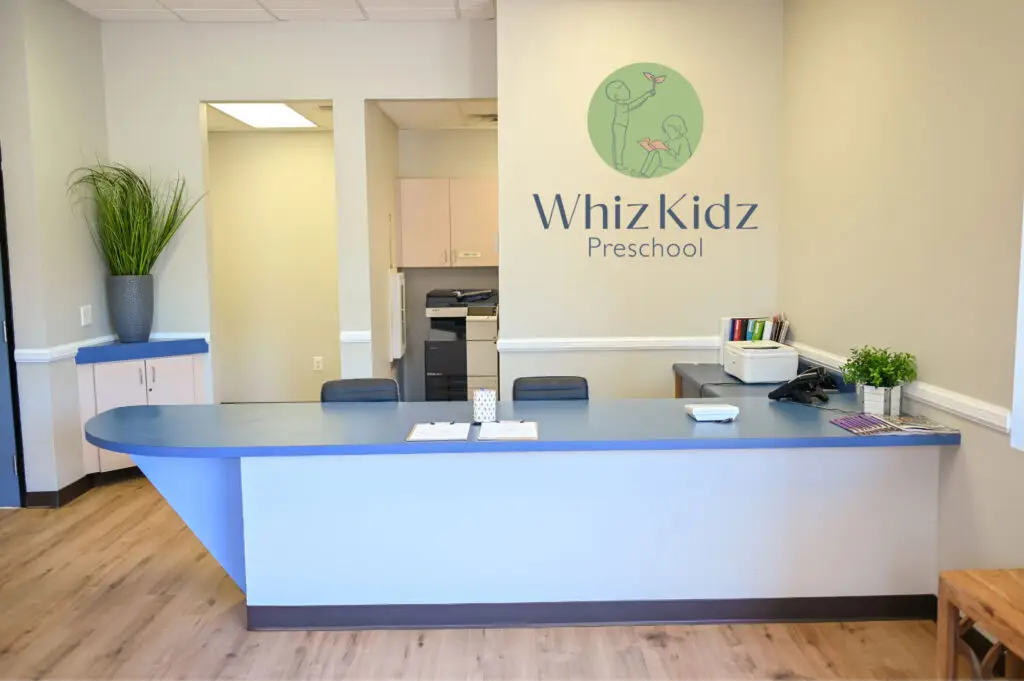
Fall is traditionally the most common time to start preschool, but the honest answer is that the best time is when your child is ready and a quality program has an open spot. Most preschool programs follow an August-through-May academic calendar, which means fall enrollment aligns naturally with how classes are formed and how peer groups develop. Whiz Kidz Preschool welcomes families year-round and can walk you through what enrollment looks like at any point in the year.
Why Do Most Families Choose a Fall Start?
Fall is the most common entry point for preschool because most programs structure their school year around the same August-to-September window as the K-12 calendar. As Preschool.org notes, families often find it easiest when preschool starts at the same time as their local public school year begins, since it creates a shared rhythm for the whole household.
Starting in the fall also means your child enters alongside a fresh group of classmates. That shared beginning matters more than it might seem. When children arrive together, friendships form more naturally, and the classroom community builds from the same starting point. For a three- or four-year-old learning what it means to belong somewhere outside the home, walking in on the first day with peers who are equally new can ease the transition considerably.
There is also a practical enrollment reality. According to Kids First Learning Center, families who want a fall start are typically advised to apply in late winter or spring to secure a spot, since fall openings fill faster than any other time of year. If a September start is the goal, January through March is the window to be actively visiting programs and asking about availability.
Is There a Good Time to Start Preschool Mid-Year?
Yes, and mid-year enrollment is more common and more workable than many families expect. Many preschools accept new children throughout the year, and new spaces often open around January at the start of the second semester, per AgeFinder.org. A child who begins in January is not starting late. They are starting when the timing was right for their family.
The families who share their experiences at Whiz Kidz Preschool reflect this well. One parent whose daughters, ages two and four, enrolled mid-stream described the difference clearly: "Whiz Kidz has been a night-and-day difference. My daughters are excited to go to school every day and never want to leave." The timing of their start did not hold them back. What mattered was finding a warm, joyful environment where they felt safe and genuinely welcomed.
A caring teaching team makes mid-year transitions smoother. When teachers take the time to build individual connections with each child, a new arrival does not feel like an outsider walking into an established group. They become part of the classroom community at their own pace.
What Age Should a Child Be Before Starting Preschool?
Toddlers typically start preschool somewhere between ages two and four, and they may stay in a preschool program for one to three years before kindergarten, depending on family preference and local options, according to Ovia Health. That range is wide on purpose, because readiness looks different for every child.
Some two-year-olds are socially curious and ready to explore a structured environment with caring teachers. Some four-year-olds benefit from one more year of the play-based, nurturing setting that preschool provides before the more formal expectations of kindergarten. Neither path is wrong.
What matters more than a specific age is whether the program meets the child where they are. A complete approach, one that balances joyful learning with social-emotional development and school readiness, serves a two-year-old and a four-year-old differently but equally well. The goal is confident learners who feel loved and capable, not children pushed to perform before they are ready.
One parent put it simply: "Both of my kids have loved their time at Whiz Kidz. My daughter will be heading off to kindergarten next year and I have no doubt the transition will be a breeze thanks to the skills she's learned here."
How Does the Season Affect What Starting Preschool Actually Costs?
The time of year you enroll does not typically change what a program costs month to month, but it can affect what you are comparing when you evaluate programs. Fall enrollment often comes with the full picture of a new class year, which makes it easier to understand the curriculum arc, the extracurricular calendar, and how the school year flows from start to finish.
Mid-year enrollment is equally valid, but it is worth asking programs specifically what is included from the point you join. An all-inclusive program, one that covers meals, snacks, diapers, wipes, extracurricular classes, and extended hours as part of a single tuition, tends to make the timing question simpler. There are no add-on fees that change based on when you enroll, and no surprises about what is and is not covered partway through the year.
The more useful question is not which season costs less, but which program gives your child and your family the most consistent, nurturing support from day one, regardless of when that day arrives.
What Is the Right Time to Start Looking, Even If You Are Not Ready to Enroll?
Starting the search several months before your ideal enrollment date gives your family the most flexibility, no matter what time of year you are aiming for. Touring programs, meeting teachers, and asking questions about curriculum, daily schedules, and what is included takes time, and the best programs tend to fill their available spots well before a new class begins.
If a fall start is the goal, late winter and early spring are the right windows to be actively visiting and asking about availability. If a mid-year start makes more sense for your family, connecting with programs in the fall gives you the clearest picture of what January openings might look like.
The families who feel most settled at drop-off are usually the ones who took the time to find a place that felt right before they ever signed anything. That confidence at the door, the sense that your child is in a safe place to grow, surrounded by caring teachers who genuinely know them, is worth the early legwork.
When you are ready to talk through timing for your family, the Whiz Kidz Preschool enrollment guide is a helpful place to start understanding what the process looks like throughout the year.
Reach out to the Whiz Kidz Preschool team directly at (480) 690-3269 or info@wkpreschool.com. Whether you are thinking about September or January, the conversation starts the same way: with your child, your schedule, and what peace of mind looks like for your family.