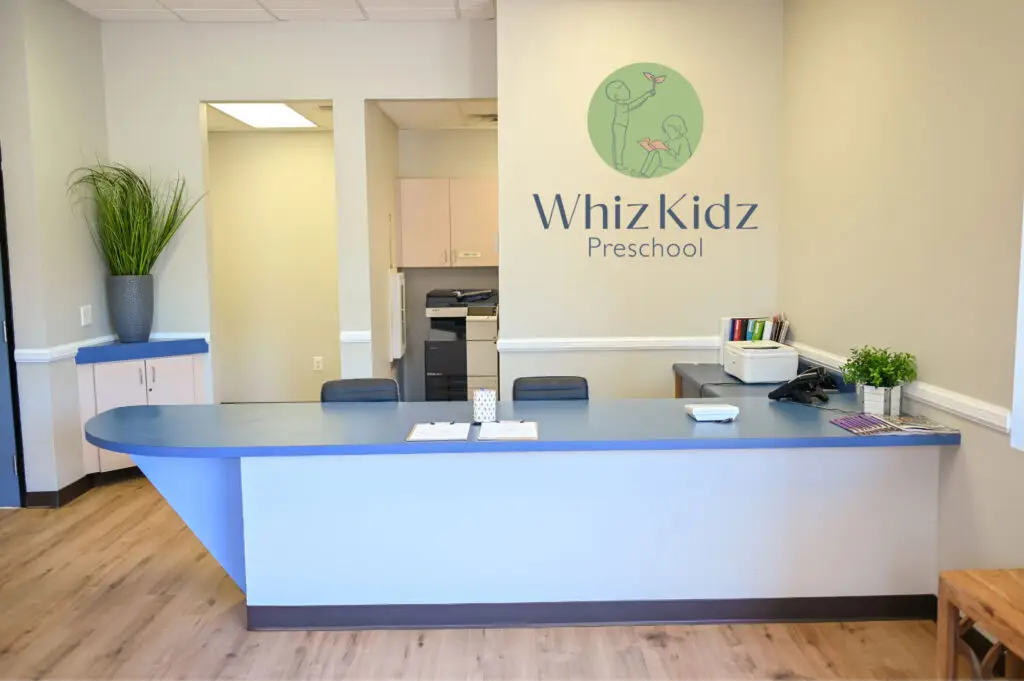
Comparing preschools comes down to looking past the language on the website and asking questions that reveal what actually happens each day. Every program describes itself as nurturing, developmental, and curriculum-focused – but the real differences show up in specifics: what is included in the tuition, who holds the credentials, what accreditation actually requires, and what a typical Tuesday looks like for a three-year-old. Whiz Kidz Preschool is an accredited, family-owned preschool in Phoenix that offers all-inclusive care – diapers, wipes, meals, snacks, extracurricular classes, and up to 10 hours per day – alongside a STEM and school readiness curriculum, so parents have a concrete benchmark to compare against when they are weighing their options.
What Should You Actually Compare Across Preschool Programs?
Most comparison guides tell parents to evaluate "philosophy" and "environment." That is not wrong, but it is too vague to be useful when every school's website says the same things. A more grounded comparison starts with observable, verifiable details.
- What is included in the tuition fee. Ask for a written list of what the quoted rate covers. Some programs charge separately for meals, diapers, wipes, enrichment classes, and field trips. Others bundle everything. Understanding all-inclusive preschool pricing versus add-on fee structures changes the real monthly cost significantly – and makes side-by-side comparisons honest.
- Teacher-to-child ratios and class size. ParentMap identifies teacher-child ratios and class size as two of the most important factors to compare. A lower ratio means more individual attention; ask each school for the actual number, not a range.
- Outdoor and active play time. How much time children spend outdoors each day is a concrete, measurable detail that reveals a lot about a program's priorities. Ask for the daily schedule in writing.
- Hours of operation and schedule flexibility. A practical comparison checklist should include hours of operation, waitlist policies, and schedule flexibility, according to KLA Schools. If you are returning to work full-time, a program that closes at 5:30 PM may not work regardless of how strong the curriculum is.
- Accreditation status. Accreditation is not a marketing term – it is a documented process that requires a school to meet specific standards for safety, staff qualifications, and program quality. Ask which body issued the accreditation and what it required. Knowing the right preschool accreditation questions to ask before you tour helps you interpret what you hear.
- Staff credentials and turnover. Ask about teacher education requirements and how long the current teachers have been in their roles. Stability matters because children build trust through consistent relationships.
- Extended-day supervision. Pampers recommends asking who supervises children during extended-day hours and whether those staff hold the same qualifications as the lead teachers during core hours.
The goal is to build a comparison table where each row is a real, verifiable detail – not a vibe.
How Do You Tell Whether a Preschool's Promises Match Its Practices?
The gap between what a preschool says and what it does is almost always visible on a tour, if you know what to look for. A school that describes itself as warm and family-centered should show evidence of that in the physical space, in how staff speak to children, and in how the director answers your questions.
One parent who enrolled at Whiz Kidz Preschool described the experience this way: "Our daughter was new to the school at the start of Pre-K. We have been so impressed with her teachers' passion and professionalism – we can tell they have a calling to be teachers and love what they do. We also have been so impressed with the curriculum – it feels really above and beyond an average pre-k program. Beyond her classroom, the administration and school staff are really kind and add to the wonderful environment. Oh and another huge perk is that they provide all meals – only having to pack a water bottle every day is so nice!"
That kind of specificity – meals included, curriculum that feels substantive, administration that is genuinely kind – is exactly what to listen for when you talk to current families. Generic praise is easy to give. Specific details are harder to manufacture.
When you tour, pay attention to what you see without being shown it. Are children engaged, or waiting? Are teachers kneeling down to a child's level, or managing from a distance? Does the director answer your questions directly, or deflect toward brochure language? Asking the right preschool tour questions as a working parent helps you use that time well rather than leaving with a folder of materials and no clearer picture than before.
What Does "All-Inclusive" Actually Mean in Daily Practice?
All-inclusive is one of the terms that has started to appear on more preschool websites without a consistent definition. In daily practice, it either means something concrete or it means very little.
At Whiz Kidz Preschool, all-inclusive care means diapers, wipes, meals, snacks, and extracurricular classes are covered within the program – up to 10 hours per day. For a working parent, that translates to fewer morning logistics, no mid-month invoices for supplies, and no separate billing for enrichment activities. One family with multiple children enrolled captured what that peace of mind feels like: "Having the worry of what our kids are doing every day lifted is amazing. We have had bad experiences with childcare in the past, so it was such a relief to find Whiz Kidz."
When comparing programs that describe themselves as all-inclusive, ask specifically: Does this include meals and snacks, or just the classroom program? Are diapers and wipes provided, or do families supply them? Are extracurricular classes included, or billed separately? The answers reveal whether all-inclusive is a structural commitment or a positioning phrase.
Niche recommends evaluating cost and schedule as a first stage before moving to educational approach – because a program that does not fit your family's schedule or budget cannot serve your child no matter how strong the curriculum is.
How Do You Know the Curriculum Is Genuinely Developmental, Not Just Labeled That Way?
Curriculum language is where buzzwords are most concentrated. Nearly every preschool website mentions "whole-child development," "school readiness," and "hands-on learning." The question is whether those phrases describe a documented approach or a general aspiration.
Concrete indicators of a real curriculum include: a written scope and sequence that shows what children work on across the year, a stated approach to school readiness with specific skills addressed, and integration of subject areas – like STEM – into daily activities rather than as a once-a-week special. Ask to see a sample weekly schedule. Ask how teachers track and respond to individual children's progress. Ask how the program defines kindergarten readiness and what evidence it uses to know a child is on track.
At Whiz Kidz Preschool, the STEM and school readiness curriculum is woven into daily learning across all age groups, with a whole-child development approach that treats academic preparation and social-emotional growth as inseparable. One parent noted that her son "has attended this school since he was 4 months old, he's in preschool now and his teachers have been the most loving, understanding, and supportive team. I would like to add how professional, engaging, and mindful all of the staff are."
Loving and professional are not opposites. A program that is both is what the research on early childhood development consistently points toward: children learn best in relationships where they feel genuinely safe and known.
What Matters Most When You Are Ready to Make a Decision?
The clearest signal that a preschool is right for your family is not the website – it is what you observe when you visit and what current families say without prompting. Look for specifics: meals included, teachers who have been there for years, a director who answers hard questions directly, and a daily schedule that reflects the values they describe. The difference between a program that says "family-centered" and one that operates that way shows up in small, concrete details that are easy to spot once you know to look for them.
When you are ready to see those details in person, the Schedule a Tour page at Whiz Kidz Preschool is a good next step – it is the fastest way to move from comparing language to comparing what you can actually see and feel.
To reach Whiz Kidz Preschool directly, call (480) 690-3269 or email info@wkpreschool.com. Families who have been searching for a place that genuinely lives up to what it promises tend to know it when they walk through the door.
FAQ
How do I compare preschool costs without getting misled by low headline rates?
Ask each school for a complete written list of what the quoted tuition includes and what is billed separately. Meals, diapers, wipes, enrichment classes, and extended hours are commonly excluded from the base rate and added back as fees. The real monthly cost is the tuition plus all add-ons – that is the number to compare across programs, not the headline figure alone.
Which questions on a preschool tour actually reveal how the program runs day to day?
Ask to see the daily schedule in writing, ask what the teacher-to-child ratio is in the specific classroom your child would enter, and ask how long the current lead teachers have been in their roles. These three questions produce concrete, verifiable answers that are harder to spin than general statements about philosophy or environment.
Who holds the teachers accountable for following the curriculum and safety protocols?
In an accredited program, a third-party accrediting body reviews the school's practices against documented standards for staff qualifications, safety, and program quality. Ask which accrediting organization issued the school's accreditation and what the review process required – that tells you more than the accreditation badge alone.
Where should I look for honest feedback from families already enrolled?
Current and recent parent reviews on independent platforms give the most unfiltered picture. Look for reviews that mention specific details – teacher names, what their child learned, how the school handled a problem – rather than general praise. Specific details are harder to fabricate and more useful for comparison.
What is the difference between a school readiness curriculum and test preparation for young children?
A genuine school readiness curriculum builds foundational skills – language, early numeracy, social-emotional regulation, curiosity, and problem-solving – through play-based and hands-on learning appropriate for the child's developmental stage. It is not about drilling academic content or pushing children to perform before they are ready. Ask to see a sample weekly plan and look for balance across developmental domains, not a narrow focus on pre-academic drills.