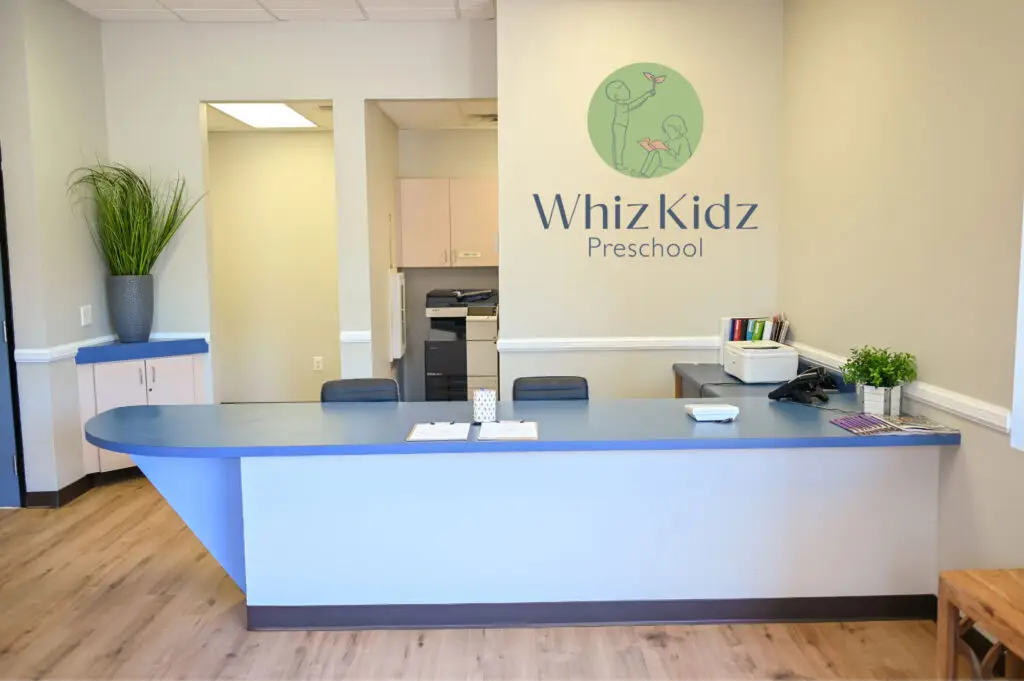
Accreditation is one of the most meaningful quality signals a preschool can carry – but it only means something if you know what to ask. The short answer: ask which body granted the accreditation, what the process required, and how it differs from a state license. Those three questions separate schools that have genuinely earned an outside credential from those that simply display a certificate. Whiz Kidz Preschool holds accreditation that goes beyond standard Arizona state licensing requirements, and families are encouraged to ask about it directly during every tour conversation.
This guide walks you through the specific questions to ask, what the answers should sound like, and why accreditation matters for your child's daily experience – not just the paperwork on the wall.
What Is Preschool Accreditation and How Is It Different From State Licensing?
State licensing sets the legal floor: minimum ratios, safety codes, basic health requirements. A preschool that is licensed is operating legally. Accreditation goes further. It is a voluntary process in which a school invites an outside organization to evaluate its curriculum, teacher qualifications, classroom environment, and approach to whole-child development against a defined national standard.
The two most recognized bodies in early childhood education are the National Association for the Education of Young Children (NAEYC) and the National Association for Family Child Care (NAFCC). GreatSchools describes NAEYC as the most thorough and respected national preschool accreditation program, and the Council for Professional Recognition lists both NAEYC and NAFCC as key accreditation benchmarks families should ask about when evaluating any early childhood program.
The practical difference for your child: an accredited program has been reviewed by people with no financial stake in the outcome. They looked at whether teachers are qualified, whether the environment supports learning, and whether the school's stated values show up in real classroom practice. That outside review is what makes the credential meaningful.
Which Specific Questions Should You Ask on a Tour?
When you visit a preschool, these questions will quickly tell you whether accreditation is real or decorative.
Ask the school to name its accrediting body. A confident answer – "We hold NAEYC accreditation" – is a good sign. Vague answers like "we're certified" or "we follow best practices" are not the same thing.
Ask what the accreditation process required. Earning accreditation is not a one-time application. It requires submitting evidence of curriculum design, teacher credentials, family communication practices, and classroom environment standards, followed by an on-site review. A school that has genuinely been through this process can describe what it involved.
Ask how often accreditation is renewed. Accreditation is not permanent. Schools must demonstrate ongoing compliance with the accrediting body's standards. If a school earned accreditation years ago and has not renewed it, that credential may no longer be current.
Ask how accreditation shapes what your child experiences day to day. Accredited programs are held to a defined standard of whole-child development and school readiness – meaning the credential should connect directly to curriculum choices, teacher training, and the way children are supported socially and emotionally, not just academically.
These preschool tour questions are worth writing down before you walk in. A school that welcomes them is telling you something important about its culture.
What Do Accreditation Standards Actually Require of Teachers and Curriculum?
This is where accreditation becomes tangible for families. Accrediting bodies like NAEYC set specific expectations around teacher qualifications – not just background checks, but education levels, ongoing professional development, and demonstrated competency in early childhood practice. A school that has earned and maintained accreditation has had those standards verified by someone outside the building.
On the curriculum side, accreditation requires evidence that learning experiences are developmentally appropriate, intentionally designed, and tied to outcomes that support the whole child. That means social-emotional growth, language development, physical activity, and early literacy and numeracy – not a narrow focus on drills or performance.
Knowing whether a preschool's teachers meet accreditation standards is directly connected to the question of how qualified preschool teachers are identified and retained. Accreditation creates an external check on that question, rather than leaving families to take the school's word for it.
One parent who enrolled her daughters at Whiz Kidz Preschool described the difference clearly: "Whiz Kidz has been a night-and-day difference. My daughters are excited to go to school every day and never want to leave. The atmosphere is carefree and fun while instilling important core values." That shift – from dreading drop-off to standing at the front door asking to see friends – reflects what a well-structured, accredited environment can produce.
Does Accreditation Cost More, and Is It Worth It for Your Family?
Accreditation does not automatically mean a program costs more than a non-accredited one, but it does signal where a school has invested its resources. Schools that pursue and maintain accreditation are committing staff time, leadership attention, and ongoing training budgets to meeting an external standard. That investment tends to show up in the quality of daily care, the stability of the teaching team, and the intentionality of the curriculum.
What families should compare is not just price, but what is included. An accredited program that covers meals, snacks, diapers, extracurricular activities, and a full day of care may represent a stronger overall value than a less structured program with a lower posted rate. The question to ask is: what does the tuition actually include, and does the program's accreditation give you confidence that those inclusions are delivered well?
Accreditation signals that a school has invited outside evaluation of its practices, not just self-reported them. For working parents who cannot be in the classroom every day, that outside verification is part of what peace of mind looks like.
What Questions Should I Ask About Preschool Accreditation?
Parents who ask about accreditation before enrolling are not being difficult – they are being thorough. And the schools worth enrolling in welcome that thoroughness. Accreditation questions are an opening for a good school to show its work: to name the body, describe the process, explain what it requires of teachers, and connect the credential to what your child will actually experience.
Whiz Kidz Preschool accredited childcare Phoenix AZ reflects exactly this approach – accreditation is not a marketing line here, it is a standard the program is held to and happy to explain. If you are currently evaluating preschools and want to walk through what accreditation means for this program specifically, the team welcomes that conversation as part of every family tour.
Reach out at (480) 690-3269 or info@wkpreschool.com to schedule a visit and ask every question on your list.
Checklist
- Ask the preschool to name its specific accrediting body – NAEYC and NAFCC are the two most recognized in early childhood education.
- Ask what the accreditation process required: curriculum review, teacher qualifications, classroom environment standards, and on-site evaluation.
- Confirm whether the accreditation is current and when it was last renewed.
- Ask how accreditation standards shape what your child experiences day to day, not just what is written in the school's materials.
- Compare what tuition includes across accredited programs – meals, diapers, extracurricular activities, and hours of care all affect real value.
- Bring your accreditation questions to the tour; how a school answers them tells you as much as the credential itself.
FAQ
Which accrediting body should I look for when evaluating a preschool?
NAEYC (National Association for the Education of Young Children) is widely regarded as the most thorough national accreditation for preschool programs, and NAFCC (National Association for Family Child Care) is another recognized credential. Both require schools to meet defined standards for teacher qualifications, curriculum, and classroom environment – verified by an outside reviewer, not self-reported. When a school names one of these bodies directly and can describe the process, that is a meaningful indicator of program quality.
Who actually reviews a preschool during the accreditation process?
Accreditation reviews are conducted by the accrediting organization itself – not the state, not the school's own leadership. Reviewers evaluate evidence submitted by the school and conduct on-site visits to confirm that stated practices match what is actually happening in classrooms. This outside perspective is what distinguishes accreditation from a school simply describing its own approach.
Which is more important – state licensing or accreditation?
Both matter, but they measure different things. State licensing is a legal requirement that sets minimum health, safety, and staffing standards. Accreditation is voluntary and goes further, evaluating curriculum design, teacher preparation, and whole-child development against a national standard. A licensed program is operating legally; an accredited program has chosen to be held to a higher bar and had that verified externally.
Where can I verify that a preschool's accreditation is current?
You can ask the school directly for its accreditation certificate and renewal date, and you can look up accredited programs on the NAEYC website, which maintains a searchable directory of currently accredited programs. Accreditation must be renewed on a regular cycle, so a credential earned several years ago without renewal may no longer be active.
How do accreditation standards affect what my child does each day?
Accredited programs are required to demonstrate that their curriculum supports whole-child development – social-emotional learning, language, physical development, and early literacy and numeracy – not just academic drills. Teacher qualifications, classroom setup, and family communication practices are all part of what accrediting bodies evaluate. In practice, this means your child's day is more likely to be intentionally structured around meaningful learning rather than improvised supervision.