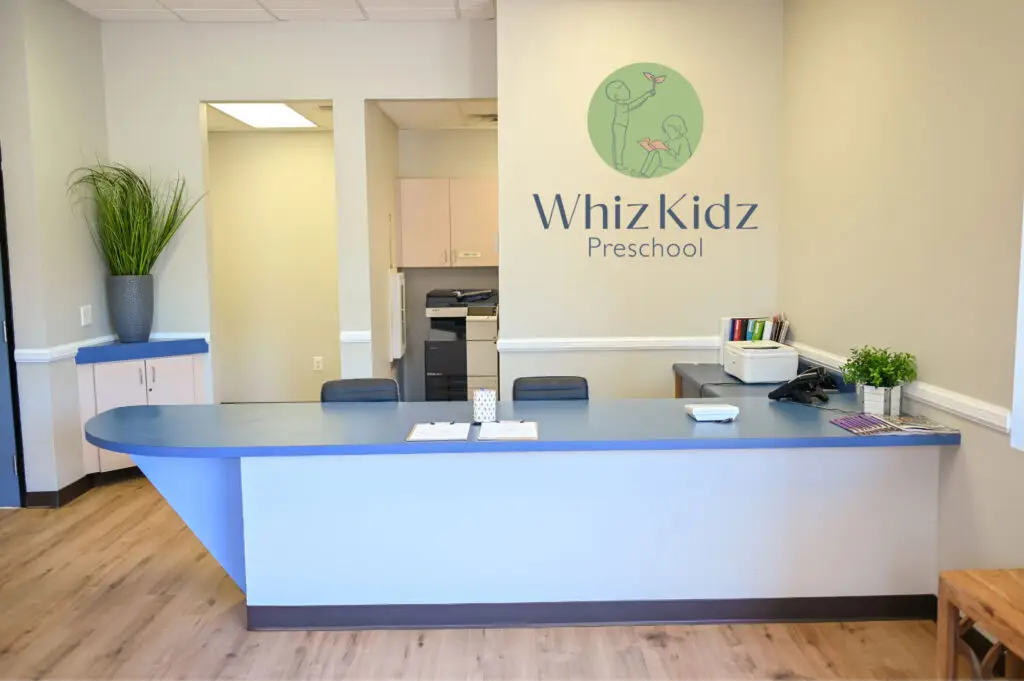
Choosing a preschool is one of the most important decisions a working parent makes, and asking the right questions before you sign anything is how you make a confident choice. The questions below cover what actually matters: safety, curriculum, teacher quality, what's included in tuition, and whether a school will feel like a true home for your family. Whiz Kidz Preschool in Phoenix, AZ is built around exactly these standards – accredited, all-inclusive, and family-centered – so the framework below reflects what quality care genuinely looks like in practice.
Is the School Licensed and Accredited?
Ask this question first. Licensing is the legal baseline – it tells you a program meets state health and safety requirements. Accreditation goes further. As GreatSchools notes, asking whether a preschool is licensed and accredited is among the standard first screening questions families should ask when choosing a program.
Accreditation means an independent organization has reviewed the school's curriculum, staff qualifications, environment, and family communication practices against a higher standard than state minimums require. Not every preschool pursues it, which is exactly why it matters.
When you ask this question, follow up: Which accrediting body? A school that can name its accrediting organization and explain what that process involved is a school that takes quality seriously. If the answer is vague, that tells you something too. You can also read more about what to look for in preschool accreditation questions before you visit.
What Is the Teacher-to-Child Ratio, and How Qualified Are the Teachers?
Ratios directly affect how much attention your child receives each day. The Child Care Aware of America preschool program checklist specifically flags staffing ratios as a key quality and supervision question families should ask. A lower ratio means teachers can respond to each child individually – noticing when someone is struggling, celebrating small wins, and building the kind of relationship that makes a child feel safe.
Beyond numbers, ask about credentials. Do teachers hold early childhood education degrees or certifications? How long have they been with the school? High turnover is a real signal worth paying attention to – children thrive on consistency, and a classroom with a revolving door of staff rarely feels like a secure place.
One parent who enrolled at Whiz Kidz Preschool described noticing immediately that "the teachers know all the kids by name and greet us individually every morning" – and noted that it's a meaningful sign when teachers send their own children to the same school. That kind of trust is built through qualifications and genuine relationships, not just policy. For more on what to look for, the article on qualified preschool teachers covers the key signals in depth.
What Does the Curriculum Look Like, and How Do They Approach Learning?
Ask what the school's educational philosophy is, and listen for specificity. Famly's guidance on choosing a preschool recommends understanding how a program approaches learning and play – because a stated philosophy tells you whether the school has thought carefully about child development, or whether it's just filling hours.
Look for a curriculum that balances structured learning with play-based exploration. STEM and school readiness programs build foundational skills in ways that feel natural to young children – through curiosity, hands-on activity, and joyful discovery – rather than drilling content before children are developmentally ready for it.
One family summed it up well: "We have been so impressed with the curriculum – it feels really above and beyond an average pre-k program." That's what a thoughtful, whole-child curriculum feels like from the inside. Ask whether the school can show you sample lesson plans, describe a typical day, or explain how they measure growth without putting pressure on children to perform.
What Is Actually Included in Tuition – and What Will Cost Extra?
This question saves families from real frustration later. Johns Hopkins Medicine's guidance on choosing a preschool specifically recommends asking about tuition, fees, and payment schedules – including whether there are extra costs or late-payment penalties.
Some programs advertise a base rate and then layer on charges for meals, diapers, extracurricular activities, school supplies, and late pickup. Others offer genuinely all-inclusive preschool pricing that covers everything under one flat rate. The difference matters both for your budget and for your daily experience.
Ask specifically:
- Are meals and snacks provided, or do I need to pack food?
- Are diapers and wipes included?
- Are extracurricular classes – music, PE, STEM – part of the program or add-ons?
- How many hours per day are covered, and what happens if I need extended care?
At Whiz Kidz Preschool, the all-inclusive model covers diapers, wipes, meals, snacks, and extracurricular classes, with up to 10 hours of care per day. One parent noted: "They provide all meals… only having to pack a water bottle every day is so nice." Knowing exactly what you're paying for – with no surprises – is part of what peace of mind actually feels like.
Does the School Feel Like a Community, Not Just a Facility?
This one is harder to answer from a brochure, which is why a tour matters. When you visit, notice whether staff greet children warmly by name, whether the environment feels alive and welcoming, and whether the director is present and approachable.
Ask how the school communicates with families day-to-day. Does the program use an app? Are teachers accessible when you have a concern? Does the school host events that bring families together? A school that invests in preschool community for families understands that parents need to feel connected, not just informed.
One parent described it this way: "The campus is beautiful and all the children and parents have been welcoming and friendly and reflect the environment there." Another noted: "Both of my kids have loved their time at Whiz Kidz. The staff, the curriculum, the app, the community – they do a great job all around."
That sense of belonging – for children and parents alike – is what separates a school from a place where children simply spend their day.
What Questions Should You Ask Before You Enroll?
Asking these questions before you enroll gives you real information to compare, not just marketing language. Accreditation, ratios, curriculum depth, transparent pricing, and genuine community are the markers of a program that takes both childhood and family seriously.
When you're ready to see what this looks like in person, schedule a tour at Whiz Kidz Preschool and bring your list. A school with nothing to hide will welcome every question you have.
To learn more or to reach out directly, call (480) 690-3269 or email info@wkpreschool.com. The team is happy to walk you through what a typical day looks like and answer anything that's on your mind.
Checklist
- Ask for the school's license number and accrediting organization by name – not just whether they are accredited.
- Request the current teacher-to-child ratio for your child's specific age group, and ask how long current teachers have been with the program.
- Ask for a description of a typical day so you can hear how learning and play are balanced in the curriculum.
- Get a written breakdown of everything included in tuition – meals, diapers, extracurriculars, and hours – before comparing any preschool's pricing.
- Visit in person during a regular school day, not just during a scheduled open house, so you can see the real environment.
- Ask the director how they communicate with families when something happens – a hard day, a concern, or a milestone worth sharing.
FAQ
Who should I talk to during a preschool tour – the director or the teachers?
Both, if possible. The director can answer questions about accreditation, tuition structure, policies, and staff qualifications. Teachers give you a feel for the warmth and engagement your child will experience daily. A school where the director is accessible and teachers are genuinely present during your visit is already showing you something important about how it operates.
Which questions about curriculum matter most for a child who is about to start kindergarten?
Ask how the program builds school readiness skills – things like following multi-step directions, recognizing letters and numbers, and managing transitions independently. Ask whether the curriculum is structured around developmental stages rather than academic pressure. A strong pre-K program prepares children for kindergarten through confidence and curiosity, not drilling, and teachers should be able to describe that approach clearly.
What should I look for in a preschool's answer about teacher turnover?
A school that is transparent about tenure and low turnover is a school where staff feel valued – and where children build lasting relationships with the same caregivers over time. If a school deflects the question or cannot tell you how long current teachers have been there, that is worth noting. Children need consistency, and consistency starts with stable, caring teachers who know them well.
How do I know if all-inclusive preschool pricing is real or just marketing language?
Ask for a written list of every fee – enrollment, supply, activity, meal, diaper, late pickup, and any other charge – before you sign anything. A genuinely all-inclusive program will be able to hand you a clear, complete answer without hesitation. If the explanation requires a lot of qualifying language, the pricing structure is probably not as simple as advertised.
Where can I find out whether a Phoenix preschool is properly licensed and accredited?
Arizona's Department of Child Safety maintains licensing records for childcare programs, and you can ask any school to show you their current license. For accreditation, ask the school directly which organization accredited them and when the last review occurred. Visiting in person and asking these questions directly – rather than relying only on a website – gives you the clearest picture of where a program actually stands.