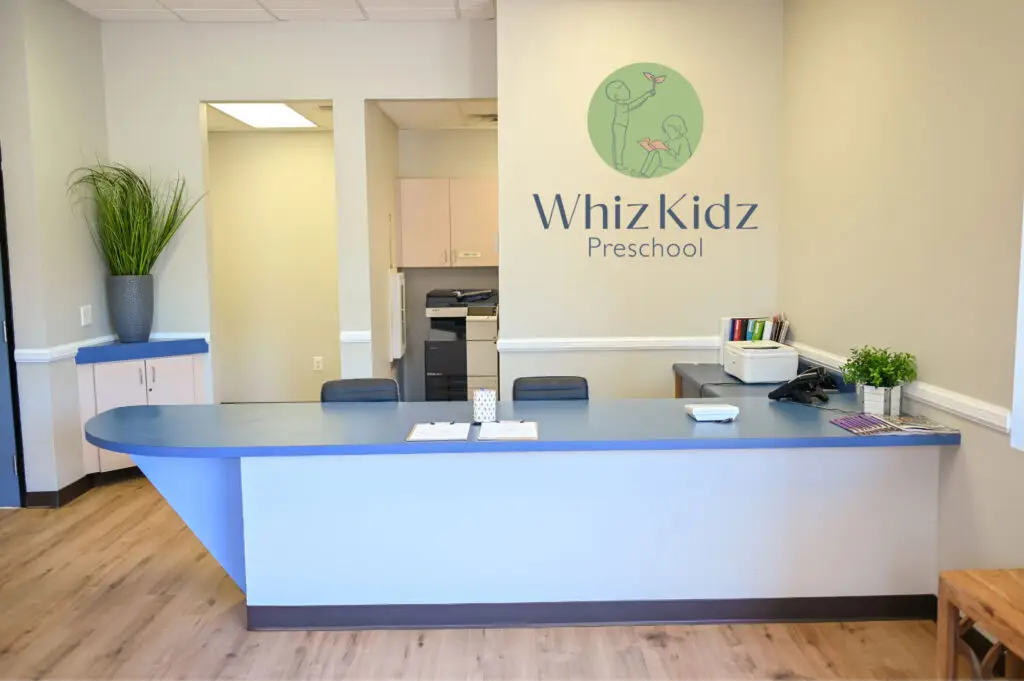
A direct, calm conversation with the director is the right first step when something feels off at your child's preschool – before you decide anything. Most concerns can be raised clearly and respectfully, and a director who welcomes that conversation is giving you important information about the school's culture. A director who doesn't is giving you equally important information.
Whiz Kidz Preschool in Phoenix operates on the belief that families should never feel like they have to tiptoe around hard questions. The conversations parents dread most are often the ones that matter most – and knowing how to have them puts you in a far stronger position, whether you stay or eventually move on.
What Should You Actually Say to the Director?
Start with what you've observed, not what you've concluded. That shift in framing makes the conversation easier to have and easier for the director to respond to constructively.
- Describe the specific behavior or situation. "My son has been saying he doesn't want to go to school" is more useful than "I think something is wrong." Concrete observations open a dialogue; conclusions tend to close one.
- Ask what the school has noticed. A director or lead teacher should be able to tell you how your child is doing in the classroom – emotionally, socially, and in daily routines. If they can't, that gap in communication is itself worth noting.
- Name the change you're hoping for. Whether it's more frequent updates, a different drop-off routine, or a conversation with the lead teacher, being specific about what would help gives the director something to act on.
- Ask how concerns like yours are typically handled. This tells you whether there's a real process in place or whether you're the first person who's ever asked.
- Request a formal meeting if the hallway conversation isn't enough. Education Victoria's guidance for early childhood families is clear: raise concerns as early as possible and don't delay, and ask for a scheduled meeting time if an informal conversation isn't sufficient.
The goal isn't to win an argument. It's to understand whether the school can meet your child's needs – and whether they take that question seriously.
What Answers Should You Actually Be Listening For?
How a director responds tells you as much as what they say. A school with a genuinely family-centered culture will treat your concern as a starting point, not an inconvenience.
A good response sounds like: "Thank you for telling me. Let me talk to the teachers and get back to you by Thursday." A response that deflects, minimizes, or shifts the focus to your child's behavior without acknowledging your observation is worth paying attention to.
A Growing Place Preschool's family handbook puts it plainly: when a child is having a difficult adjustment, the approach should be to work with the parent to come up with a plan that is acceptable to both the family and the teacher. A school that sees that as a shared problem – not a parent problem – is one that takes partnership seriously.
If your child is struggling socially, emotionally, or with daily transitions, ask what the school's specific plan looks like. Ask who will follow up with you and when. The answers to those questions reveal whether the school's communication is reactive or proactive.
One parent who eventually found Whiz Kidz Preschool described the contrast this way: "My daughters, ages 2 and 4, have been at Whiz Kidz for almost four months, and we couldn't be happier! We switched from a nearby school where they often cried at drop-off and I received many behavior reports. As a first-time preschool parent, I was unsure what to expect and I'm heartbroken that I ever believed the issue was with my kids rather than the school."
That experience – of a parent wondering whether the problem was her children, when it was really the fit – is more common than most families realize.
What If the Conversation Doesn't Go Well?
Sometimes a director listens carefully and responds thoughtfully, and things improve. Sometimes the conversation reveals that the school's communication culture isn't what you need it to be. Both outcomes are useful.
If the concern involves child safety at preschool, daily routines, or how teachers interact with children, you have every right to ask those questions directly. You can ask about teacher-to-child ratios, staff tenure, and how the school handles incidents. Accreditation is one signal worth asking about – it indicates a commitment to quality standards that goes beyond minimum licensing requirements.
If you've raised a concern and the response felt dismissive, or if nothing changed after a follow-up, that's information. Switching preschools mid-year is possible, and for some children, a change in environment makes a significant difference quickly.
One family described their experience at Whiz Kidz this way: "We've had a great experience at this school over the last 9 months. Our toddler has been in both the 1s and 2s room and both rooms have had teachers that are warm, friendly and seem hands on with the kids. We've also had a positive experience with the school's leadership as they have been communicative and available when needed."
That last part – "communicative and available when needed" – is not a small thing. It's exactly what parents are trying to evaluate when they have a hard conversation with a director.
How Do You Know When It's Time to Trust Your Instincts?
A productive conversation with a director should leave you feeling heard, even if everything isn't resolved immediately. If you leave feeling like your concern was minimized, or like you were made to feel unreasonable for asking, pay attention to that.
Parents who ask about preschool daily communication – how often teachers share updates, what gets reported and what doesn't – are asking a question that reflects something real: when you're at work and your child is somewhere else, consistent communication is what makes trust possible. A school that builds that into its daily culture doesn't wait for parents to ask.
The right school should make you feel like a partner, not a visitor. A director who welcomes hard questions – about curriculum, safety, staff qualifications, or your child's specific experience – is demonstrating exactly the kind of trust that supports a child's sense of safety and belonging.
If you're at the point where you're rehearsing what to say before walking through the door, it may be worth asking whether you should be looking for a school where that conversation never feels necessary.
Whiz Kidz Preschool welcomes families to come in, ask every question they have, and see the environment firsthand. The Whiz Kidz Preschool enrollment and tour is designed for exactly that – so families can make a confident decision before they commit to anything.
Checklist
- Write down your specific concern before the meeting. Use observations ("my child has been reluctant to go to school lately") rather than conclusions ("I think something is wrong").
- Request a scheduled meeting, not a hallway conversation. Ask for a dedicated time so both you and the director can be fully present.
- Ask who will follow up, and when. A school with a real process will give you a name and a timeline, not a vague "we'll look into it."
- Ask how other preschool director concerns have been handled in the past. This tells you whether your situation is being treated as an exception or as part of a normal, supported process.
- Notice how the conversation feels, not just what is said. If you feel dismissed, minimized, or made to feel unreasonable, that response is data.
- If concerns about safety or curriculum remain unresolved after a follow-up, consider touring another licensed and accredited preschool in Phoenix to compare what you observe.
FAQ
Who should I talk to first – my child's teacher or the director?
Start with the classroom teacher for day-to-day concerns, since they have the most direct knowledge of your child's experience. If the concern involves the school's policies, communication practices, or how a teacher interaction was handled, bring it to the director. Many families find it useful to talk to the teacher first and then request a joint meeting with the director if the issue isn't resolved.
Which concerns are serious enough to bring to a director rather than handling informally?
Any concern about safety, a pattern of behavior that isn't improving, or a communication breakdown that has persisted despite informal conversations warrants a formal meeting with the director. One-off incidents can often be handled with a quick teacher check-in. Repeated issues, unresolved adjustments, or anything that affects your child's sense of security belong in a director-level conversation.
How do I ask for a meeting without it feeling confrontational?
Frame the request around wanting to understand and find a solution together. Something like "I'd love to find a time to talk through a few things I've been noticing with my child" is direct without being adversarial. A director at a family-centered school should respond warmly to that kind of request – and if they don't, the response itself is worth noting.
What if the director says my child is fine, but I still feel something is off?
Trust your instincts and ask follow-up questions. Ask what specific things the teachers have observed. Ask how your child behaves at drop-off, during transitions, and at group time. If the answers are vague or don't match what you're seeing at home, it's reasonable to ask for a more detailed update or to request an observation period. Parents know their children, and a good director will take that seriously rather than dismiss it.
Where can I find a preschool in Phoenix that treats parent concerns as part of the partnership?
Look for an accredited program with a documented communication practice – one where teachers share daily updates and leadership is accessible. Whiz Kidz Preschool in Phoenix is a family-owned, accredited program where open communication with families is part of how the school runs, not something that happens only when a parent pushes for it. Families are encouraged to tour, ask questions, and get a real sense of the environment before enrolling.
If you're in the middle of this right now – trying to figure out whether to stay or go, or just wanting to know what a school that welcomes hard questions actually looks like – you're welcome to reach out. Call Whiz Kidz Preschool at (480) 690-3269 or send a note to info@wkpreschool.com. A tour is the best way to see for yourself what a warm, communicative school environment actually feels like in practice.