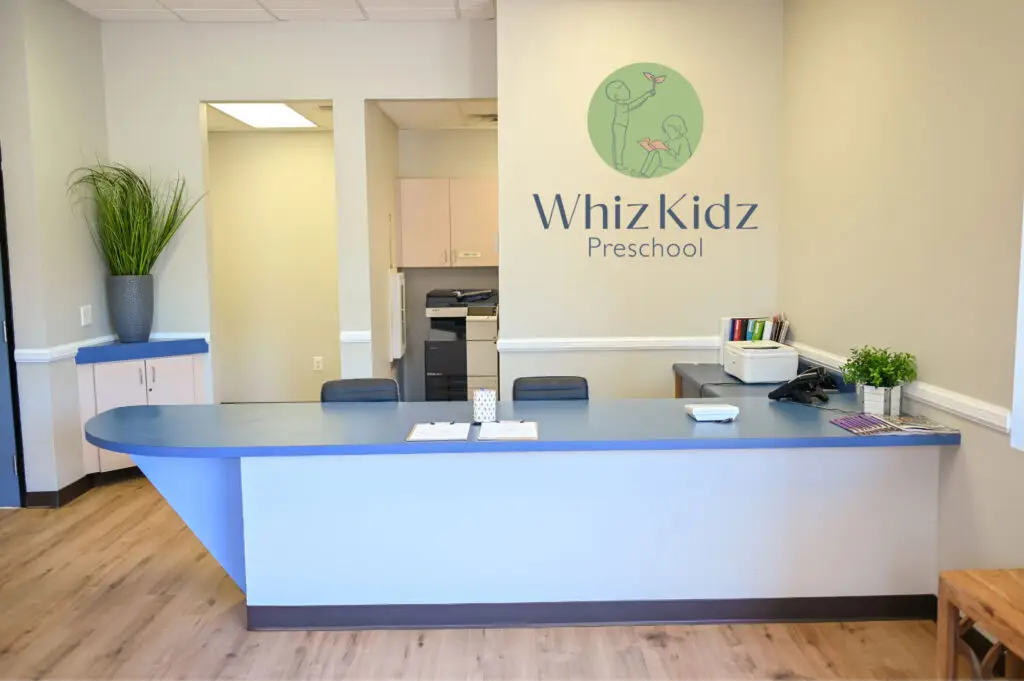
Making preschool drop-off easier for toddlers with separation anxiety comes down to one thing above everything else: predictability. When a toddler knows exactly what is coming – the same sequence, the same faces, the same warm welcome – their nervous system settles faster. Whiz Kidz Preschool builds that predictability into every morning, so the transition from parent to classroom becomes something a child can trust, not something they fear.
What Does a Drop-Off Routine That Actually Works Look Like?
A consistent, short drop-off routine is one of the most evidence-supported ways to reduce toddler separation anxiety. HealthyChildren.org recommends using the same drop-off ritual at the same time each day to minimize unexpected factors, and Rady Children's Health specifically advises keeping the goodbye short and consistent while avoiding lingering at drop-off.
Here is what a routine that works tends to look like in practice:
- Arrive at the same time each morning. Toddlers orient themselves by rhythm. When arrival happens at a predictable hour, the body and brain begin to prepare before the car even pulls in.
- Create a two- or three-step goodbye sequence. A hug, a special handshake, a kiss on the hand – whatever fits your family. Keep it brief and repeat it identically every day. Consistency is what builds trust, not the length of the goodbye.
- Hand off to a familiar teacher, not a doorway. A warm face that a child already knows transforms the moment of separation into a connection, not an abandonment.
- Say goodbye with confidence, then leave. Toddlers read parental hesitation. A calm, certain goodbye – "I love you, I'll be back after snack" – signals that leaving is safe. Lingering, even lovingly, tends to extend distress rather than soothe it.
- Name the reunion. Toddlers do not yet have a strong sense of time, but anchoring pickup to something concrete ("I'll pick you up after you eat lunch") gives them a mental marker to hold onto.
- Practice short separations at home. CCRC suggests practicing brief separations with a trusted caregiver and gradually increasing the time apart – this builds a child's tolerance before the preschool context even begins.
None of these steps require a perfect child or a tearless morning. They require repetition, warmth, and a classroom environment that picks up where the parent leaves off.
Why Does the Classroom Environment Matter as Much as the Goodbye?
What happens in the thirty seconds after a parent walks out the door shapes everything. If a child steps into a calm, familiar space with a teacher who already knows their name, their favorite toy, and how they like to be comforted, the transition is short. If the space feels unpredictable or impersonal, even the most polished goodbye routine will not hold.
This is where the structure of the preschool itself carries real weight. Caring, familiar teachers play a meaningful role in helping children move from parent to classroom with growing confidence – and that role is not passive. At Whiz Kidz Preschool, teachers are trained to support the whole child, including emotional transitions throughout the day. They notice when a child needs a moment of quiet connection before joining the group. They use the child's name, make eye contact, and offer a specific invitation: "Come see what we set up in the STEM area this morning."
One parent described the difference this way: "The facility is clean, bright, and welcoming, which makes dropping her off so much easier. We feel so lucky to have found a daycare that feels like an extension of our family."
Another parent, whose daughter has been enrolled for about a year, put it plainly: "Staff is very helpful, friendly and always smiling. They know all kids names. There is good indoor and outdoor stimulation for the kids."
That detail – they know all kids names – is not a small thing. For a toddler navigating separation, being known is the foundation of feeling safe.
How Long Does Separation Anxiety at Drop-Off Usually Last?
There is no single timeline, and any answer that promises one is not being honest with you. What determines how quickly drop-off becomes easier is a combination of factors: the child's temperament, how consistent the routine is, how familiar the classroom environment feels, and how responsive the teachers are in those first minutes after arrival.
Consistency accelerates the process. The more predictable the morning sequence – same time, same goodbye, same warm welcome on the other side – the faster a child builds what early childhood educators call a "secure base" inside the classroom.
Children who feel genuinely secure at preschool are better positioned to build independence and social confidence as they grow. That progression is not automatic; it is built through repeated experiences of "I was left, and I was okay, and my parent came back." Every consistent drop-off is one more deposit into that account.
For families who have been through genuinely difficult stretches, the relief when it clicks is real. As one parent shared: "My kiddo loves WhizKidz. Whizkidz has been the safest, most structured attentive school thus far. I am so grateful for the staff and director and the tight loving ship they run there."
What Is the Difference Between Normal Separation Anxiety and Something That Needs More Support?
Most toddler separation anxiety at drop-off is developmentally expected, not a sign that something is wrong. Crying, clinging, and protest at goodbye are normal in the toddler years and often resurface after a break, an illness, or a change in routine.
The pattern that matters is what happens after the parent leaves. Most children settle within a few minutes when they are in a warm, structured environment with responsive teachers. If a child is consistently distressed for extended periods, is not eating or engaging during the day, or shows signs of anxiety that extend well beyond drop-off, that is worth a conversation with the child's pediatrician.
Whiz Kidz Preschool teachers communicate with families throughout the day, so parents are not left wondering. Knowing that a child was happily building in the block area twenty minutes after a tearful goodbye makes the next morning's drop-off meaningfully easier – for the child and the parent.
Understanding what preschool drop off crying looks like from the teacher's side of the door can also help parents reframe the moment and respond with more confidence.
Where Does the Drop-Off Routine Actually Need to Land?
A drop-off routine done well is a partnership. Parents hold their end by arriving consistently, keeping goodbyes warm and brief, and projecting calm confidence. The preschool holds its end by offering a classroom that feels safe, teachers who are genuinely present, and a daily structure that gives children something familiar to step into.
That partnership is what family-centered preschool care is built on – not just caring for the child during school hours, but supporting the whole family through the harder moments, including the ones that happen at the front door every morning.
One family who enrolled their youngest at Whiz Kidz Preschool as an infant and watched her grow toward kindergarten described it this way: "From day one, we've felt how personal this place is. It's not just childcare, it's family. Knowing that our daughter has been safe, nurtured, and truly known here has given us so much peace as parents."
That peace of mind – the kind that lets a parent drive away and actually focus on their day – is what a consistent, loving drop-off routine is ultimately building toward.
If you are considering a preschool environment where that kind of routine is part of every morning, not an afterthought, the Whiz Kidz Preschool enrollment and tour is a good place to start. You can reach the team at (480) 690-3269 or info@wkpreschool.com to ask questions or schedule a visit.
FAQ
Why does my toddler cry at drop-off even after weeks of preschool?
Separation anxiety does not follow a strict timeline, and it often resurfaces after holidays, illness, or changes in the home routine. What matters most is what happens after the goodbye – if your child settles and engages within a few minutes, the routine is working even when the mornings feel hard. Consistent timing, a brief and confident goodbye, and a warm classroom welcome are the three factors that most reliably shorten the distress window over time.
Which part of the drop-off routine makes the biggest difference for toddlers?
The handoff to a familiar teacher is the single most impactful moment. A toddler who is physically received by someone they know and trust – rather than walking into a room alone – experiences the separation as a connection rather than an abandonment. Rady Children's Health also points to the goodbye itself: keeping it short, consistent, and free of lingering is more soothing than a long, reassuring farewell.
Who should I talk to if my child's separation anxiety seems more intense than typical?
Start with your child's lead teacher, who can tell you how your child is doing in the minutes and hours after drop-off – that information alone often reassures parents that the transition is going better than the goodbye suggests. If distress extends throughout the day, the child is not eating or engaging, or anxiety is showing up in other parts of life, a conversation with your pediatrician is the right next step. Whiz Kidz Preschool teachers communicate with families throughout the day precisely so parents are not left guessing.
Where do toddlers feel most secure during the school day after a hard drop-off?
Familiar routines inside the classroom – consistent circle time, the same activity stations, predictable meal and nap schedules – give toddlers the same anchoring effect that a consistent drop-off routine does at arrival. A warm preschool environment where children feel loved and where teachers know each child by name and temperament allows children to rebuild their sense of safety quickly after a difficult goodbye.